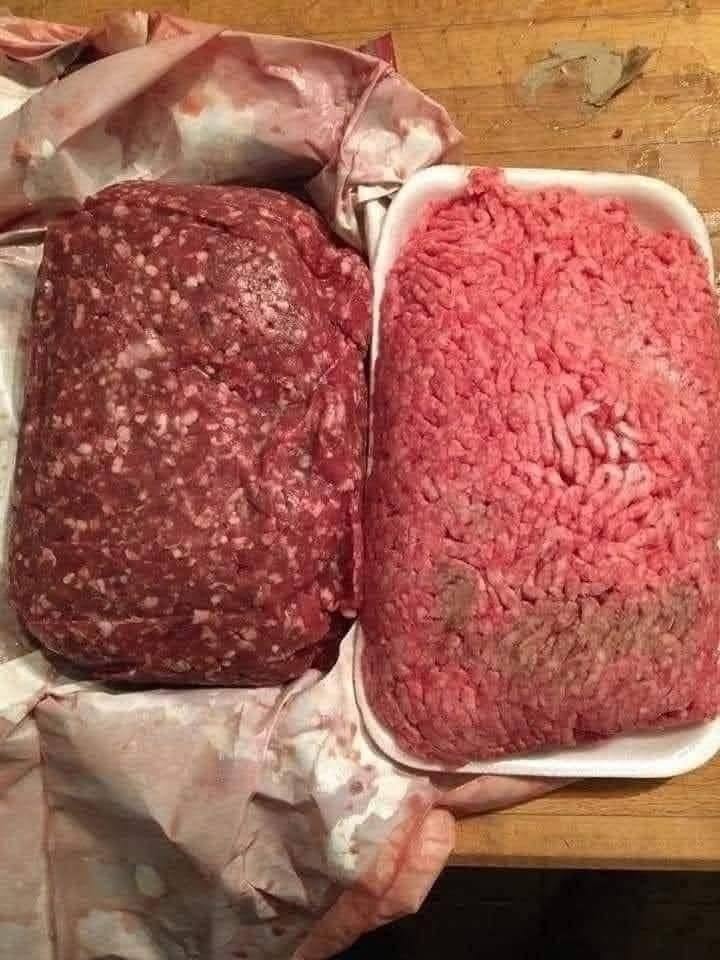
Most people walk into a supermarket, pick up neatly packaged meat, and assume it comes fresh from a nearby farm. Clean labels, bright colors, and “farm fresh” branding create a sense of trust. But behind the scenes, the journey of supermarket meat is often more complex than it appears—and understanding it can help you make more informed choices.
Tea
Let’s break it down clearly and realistically.
 1. Meat Often Comes From Large Industrial Farms
A significant portion of supermarket meat is sourced from large-scale commercial farming systems rather than small local farms. These operations are designed for efficiency and high production volume.
Animals are typically raised in controlled environments where space, feed, and growth cycles are carefully managed to meet demand.
This doesn’t automatically mean the meat is unsafe, but it does mean it is produced differently from traditional farming methods.
 2. It May Travel Long Distances Before Reaching You
For Complete Cooking STEPS Please Head On Over To Next Page Or Open button (>)